About
At the intersection of
technology & diplomacy
A career spent bridging public and private sectors to address energy resilience, digital inclusion and technological sovereignty.
A career spent bridging public and private sectors to address energy resilience, digital inclusion and technological sovereignty.
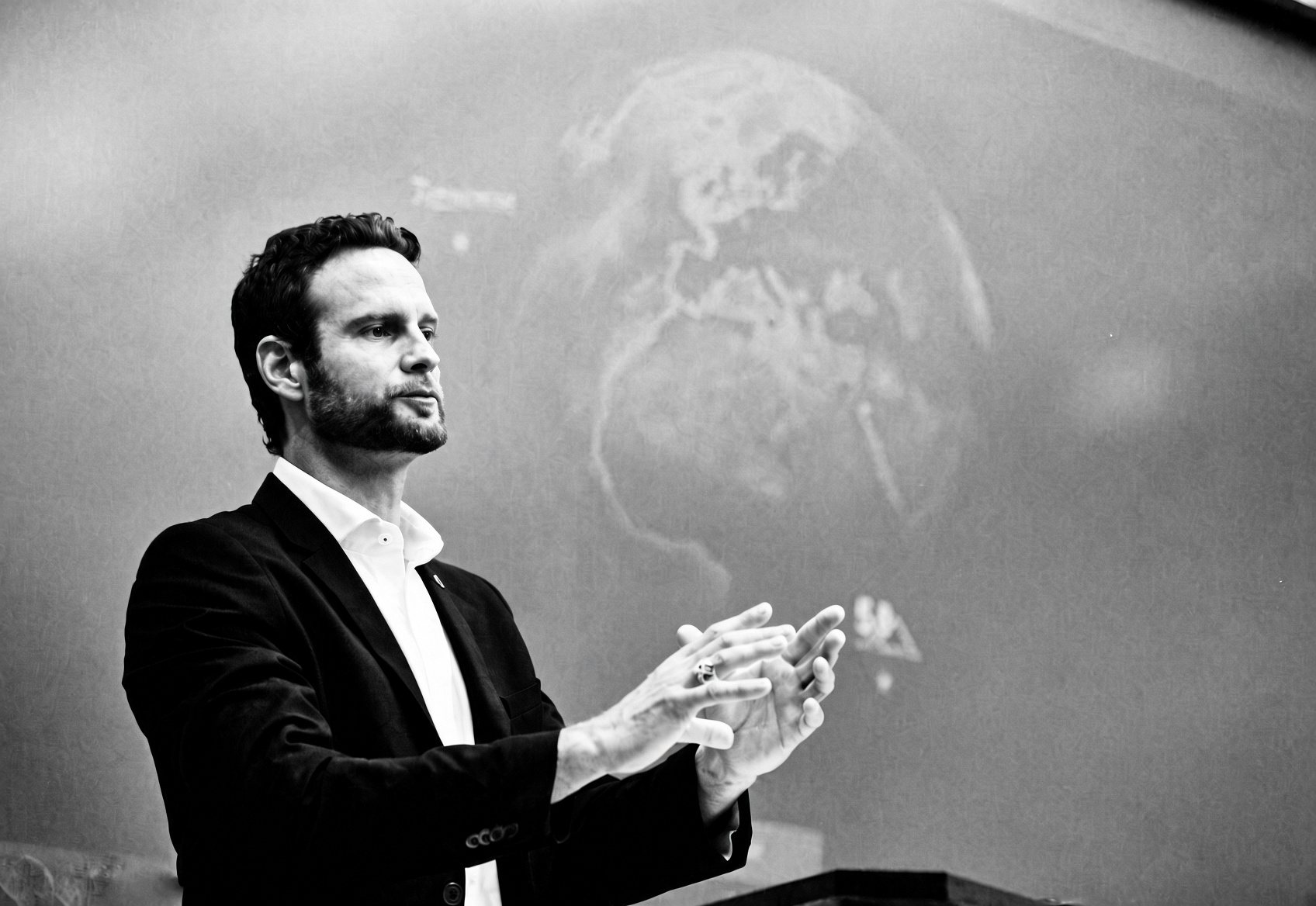
Bryan M. Ingram is a leader in advanced energy systems, frontier technologies, and global infrastructure, with a career dedicated to bridging public and private sectors to address challenges in energy resilience, digital inclusion, and technological sovereignty.
As CEO of a stealth-mode energy and propulsion company, he leads aneutronic fusion development exploring vertically integrated proton-boron-11 (p-¹¹B) fuel sources and cold fusion plasma solutions for clean hydrogen — alongside CTO Dr. George Miley of the University of Illinois, a leading expert in fusion and plasma physics.
He has advised government ministers, institutional investors, and heads of state across the Middle East, Asia, and the United States, and addressed global leaders in the Blue Zone of the United Nations COP29 Conference in Baku.
His mission: to help build a future worthy of the generations that come after us.

Selected as a page in the United States Senate, Bryan spent his formative years inside the institution — and learned the discipline that has governed every room since.
Mentored by some of the most experienced statesmen of their generation, he took away a lesson that has aged well: policy moves at the speed of relationships, and the people who matter are the ones still in the room when the cameras leave. Access is not a transaction. It is decades of showing up, keeping confidences, and being useful before being asked.
That is the asset he now brings to frontier technology. Breakthrough physics rarely fails for lack of physics. It fails for want of a path — no procurement channel, no regulatory precedent, no minister willing to take the first call, no institution willing to put its name on the first trial. Bryan builds that path, and has built it across three continents.
The role is not operator or investor. It is catalyst — the accelerant between a technology that works and an industry ready to adopt it.
Ministers, national laboratories, and institutional capital in the same room early enough to shape the outcome — not to react to it.
Independent trials at credentialed institutions before a claim is made in public. The University of Arizona result was published because it was earned.
Commercial structures that lower the barrier for the people who must actually adopt the technology — water-as-a-service for growers, sovereign partnerships for infrastructure.
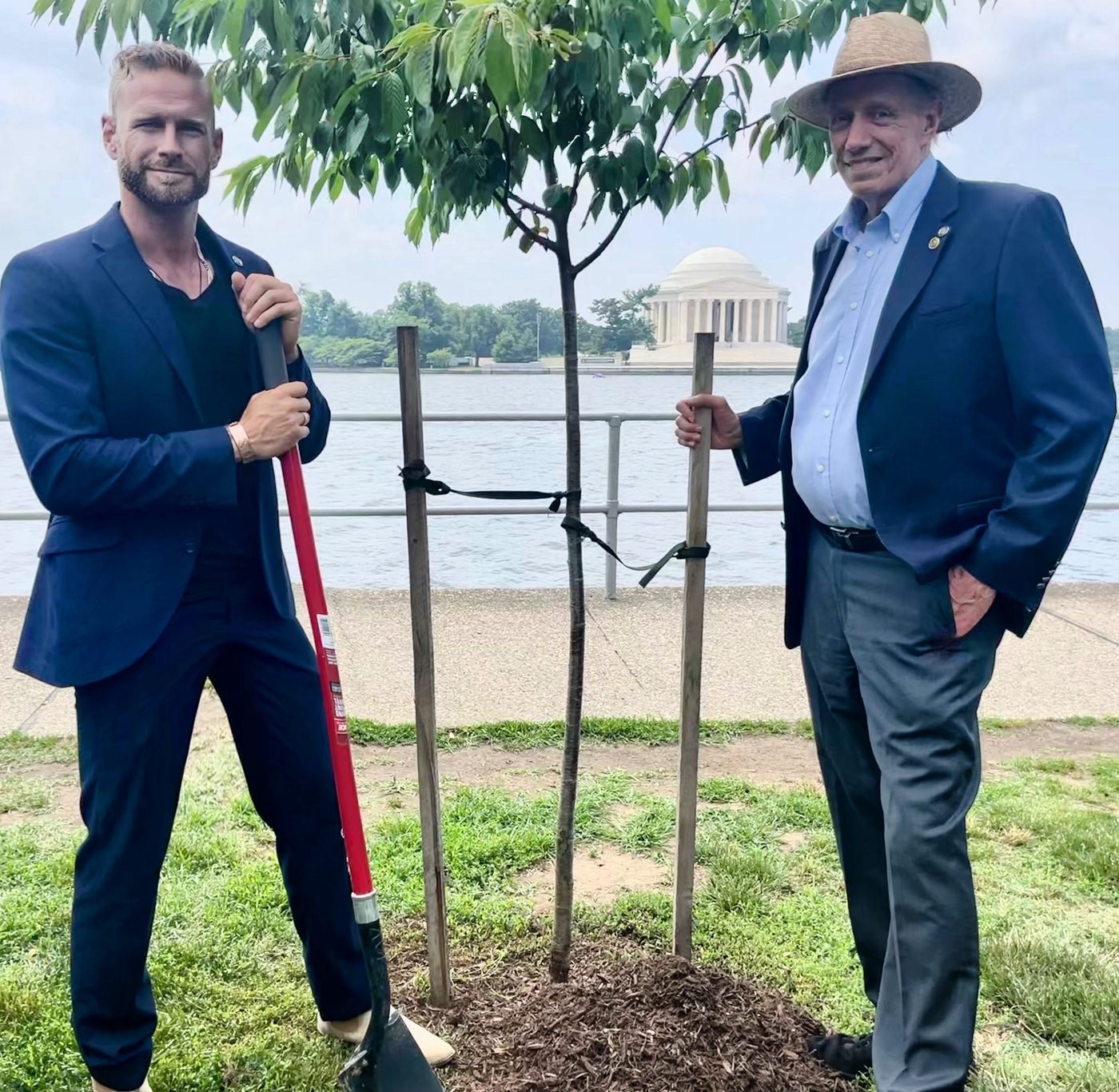
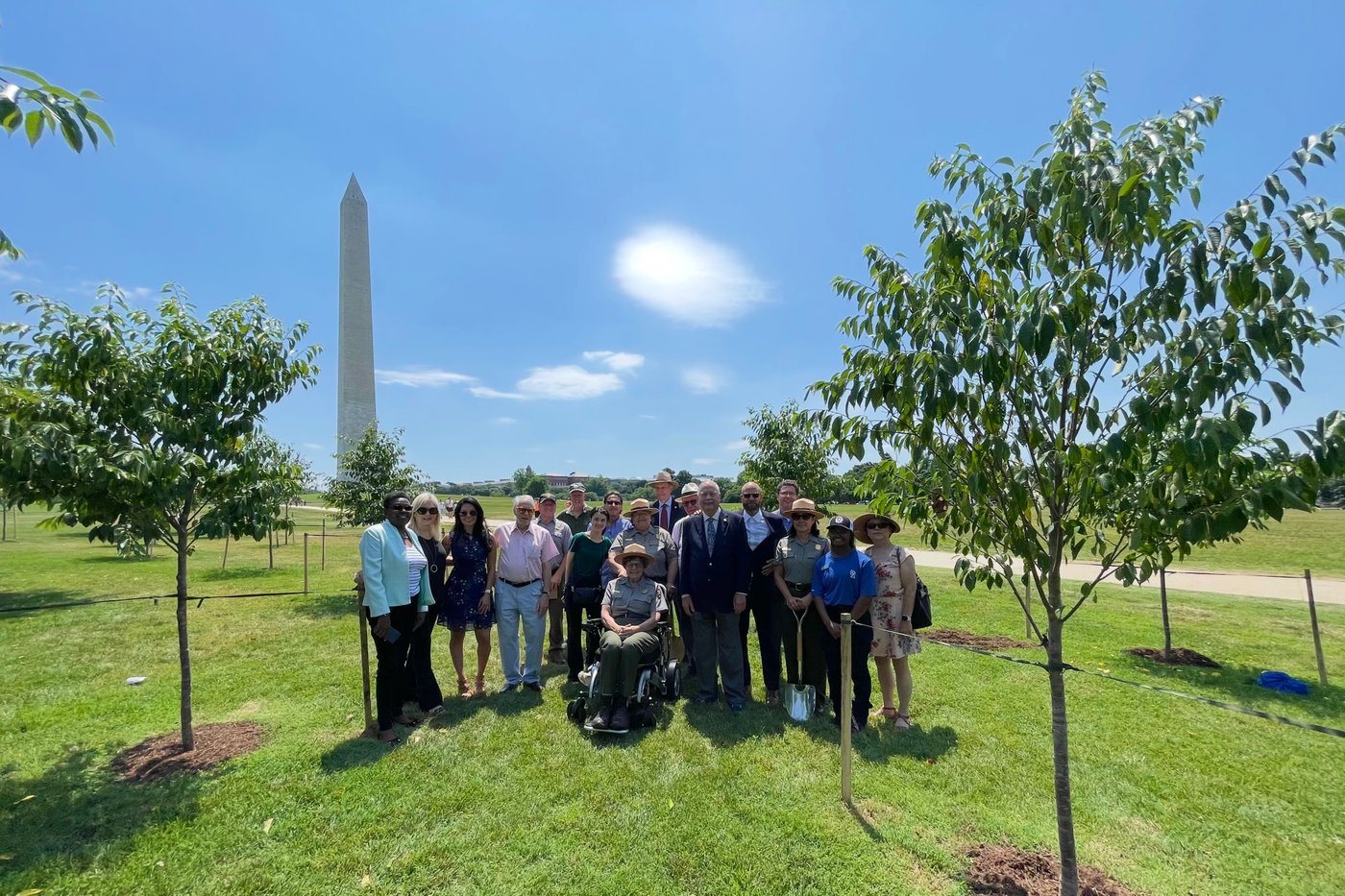
As Chairman of the Rotary Club of Washington, D.C.'s Trees for the Capital program, Bryan led the planting of cherry blossom trees on the National Mall in honor of distinguished individuals — in partnership with the United States National Park Service.



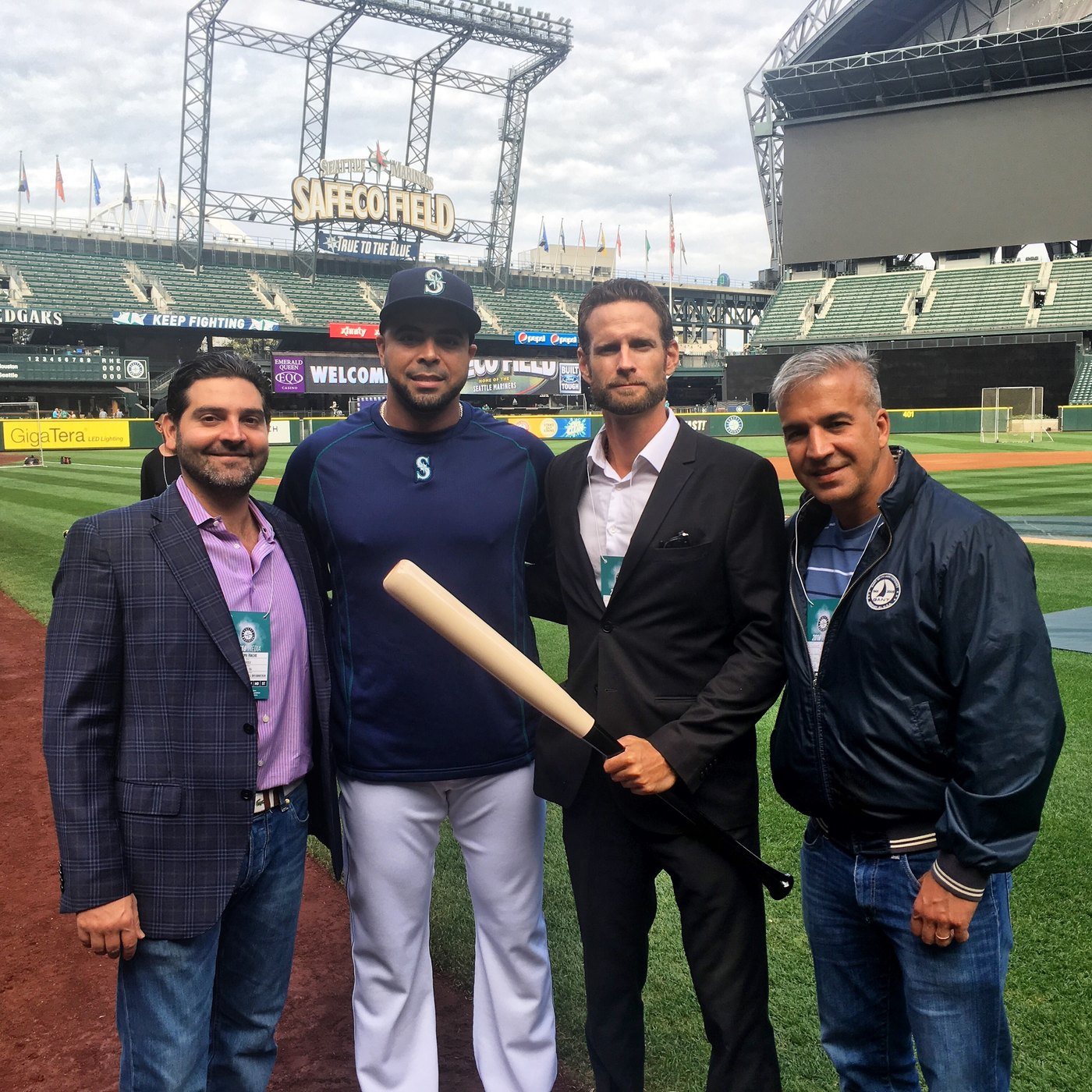
Bryan's path began behind the plate — a catcher at Oregon State, a three-year letterman and first-team All-Pac-10 selection, then the Colorado Rockies organization. That world came full circle with Players for the Planet, the 501(c)(3) founded by former Major Leaguer Chris Dickerson that connects professional athletes with regenerative platforms and projects.
Working alongside Dickerson, Bryan helped shape campaigns like One Team One Planet — carrying players from Nelson Cruz to Giancarlo Stanton into environmental action — and scouted regenerative technology for the platform, from solar-powered water desalination in Italy to urban-farming drones in Belgium.
Featured in GreenSportsBlog · Oregon State “Everyday Champions”

The campaign film with GROUNDTRUTH GLOBAL — athlete voices carrying regenerative projects from the field to the world.

"My mission is to help build a future worthy of the generations that come after us."
I work at the intersection of science, technology, capital, infrastructure, and human potential — bringing together extraordinary people and ideas to solve consequential problems in water, food, energy, health, and planetary resilience.
I believe some of the most important breakthroughs of our time will come from challenging assumptions, reconnecting disciplines that have become separated, and creating the bridges necessary to move transformative ideas from discovery to real-world deployment.