Water technology for American agriculture, aneutronic fusion, one of the country's largest EV charging networks — and the platform that carried the UAP conversation to Capitol Hill.
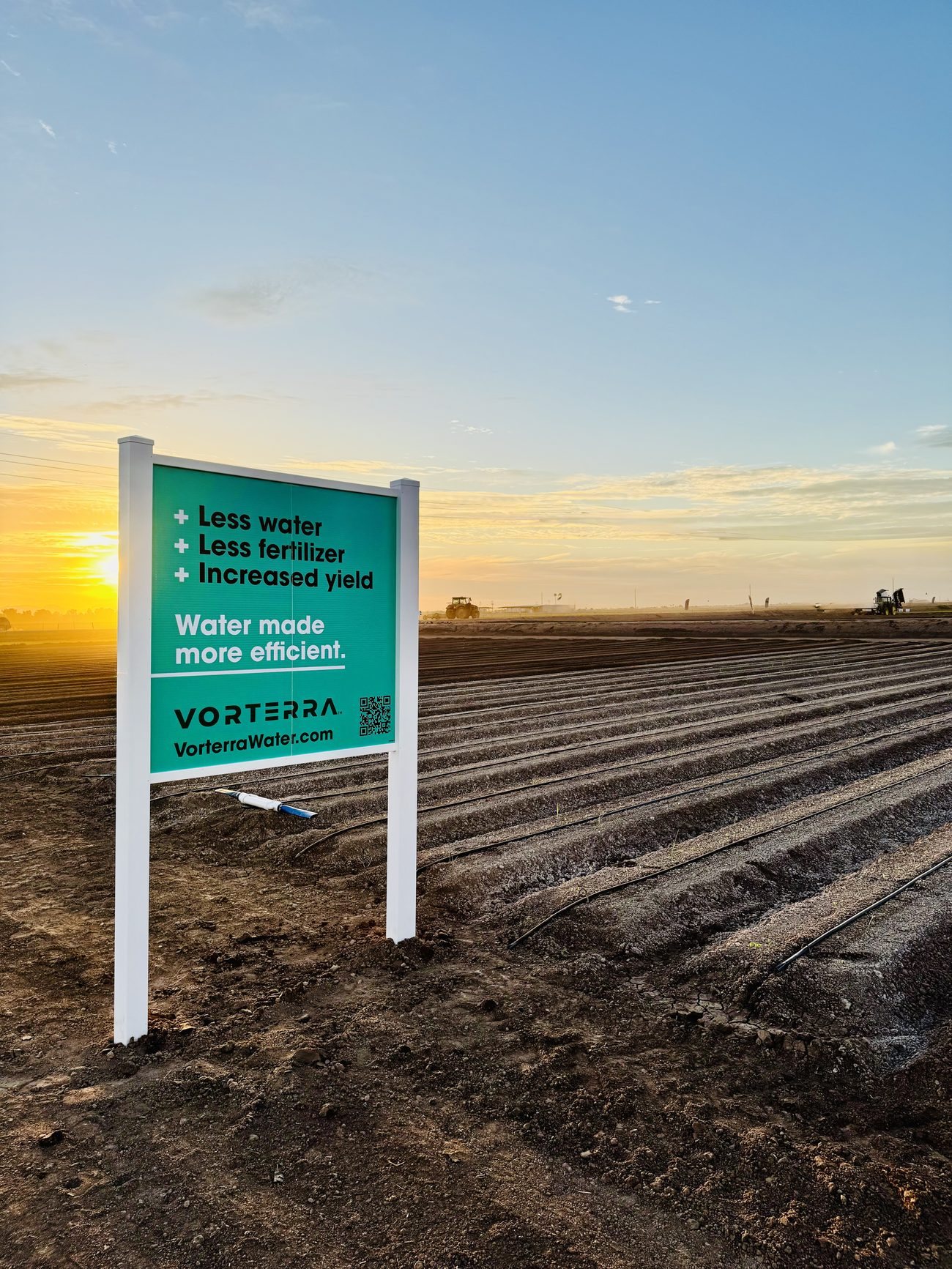
Agricultural water technology — chemical-free, electricity-free, inline. Briefed to the Senate Agriculture Chairman and NRCS leadership, and delivered as water-as-a-service for farmers.
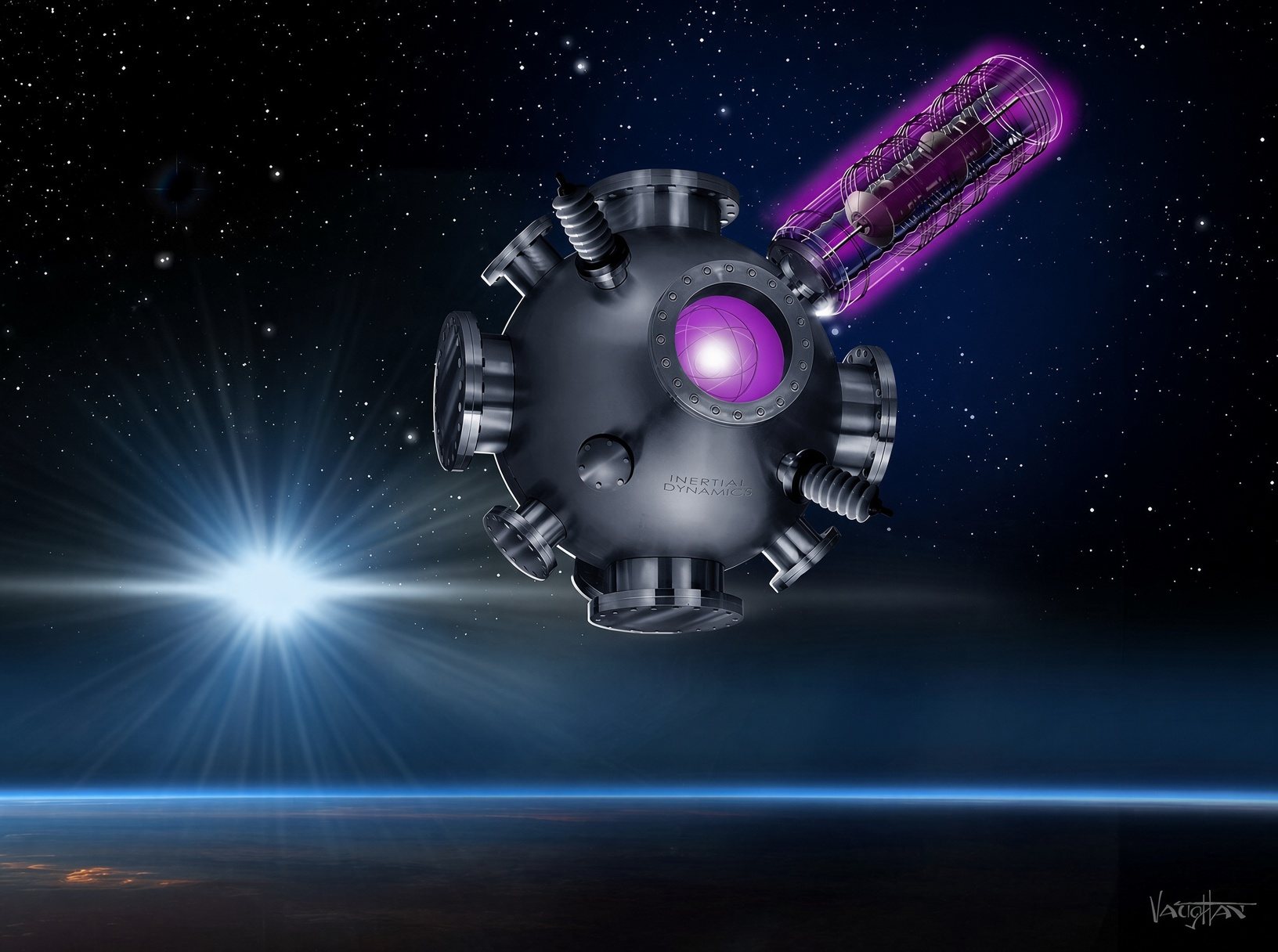
Next-generation energy and propulsion: aneutronic fusion exploring vertically integrated p-¹¹B fuel sources and cold fusion plasma solutions creating clean hydrogen at a significant reduction in processing cost.
Secured the joint venture between Newmark and Quantum that established Quantum Unity as one of the largest EV charging networks in the country.
Drove commercialization of next-generation data pod server technology for mission-critical environments — integrated into Sandia National Laboratories and the Department of Energy. The architecture carries hyperscale compute density without conventional evaporative cooling.
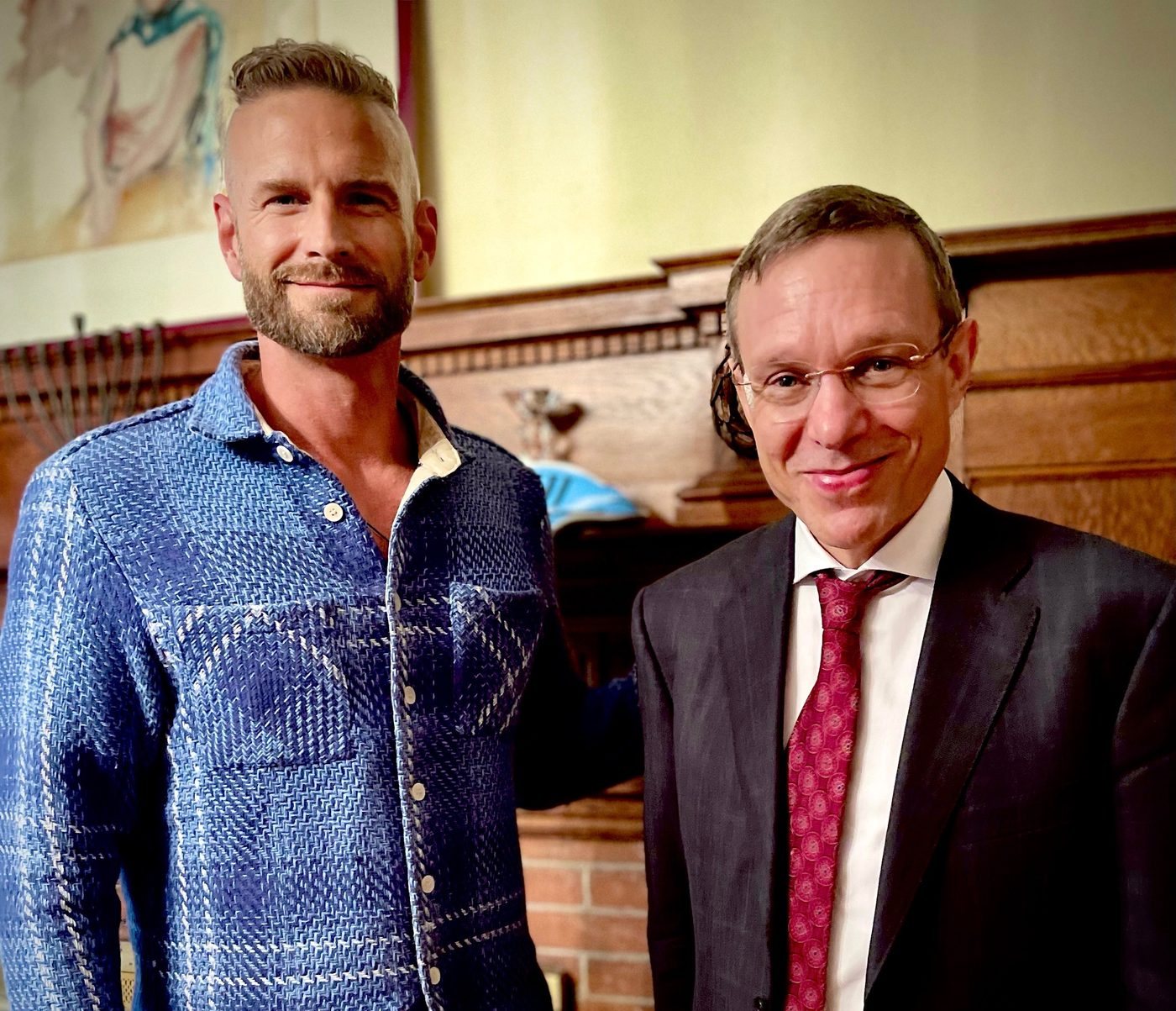
Created the content and creative strategy around the UAP topic with host Ryan Graves.
Helped structure the U.S.–Philippine technology discussions behind a corridor now spanning satellite connectivity, hyperscale AI-ready data centres, and national cybersecurity — front-paged by the Philippine Department of Information & Communications Technology.
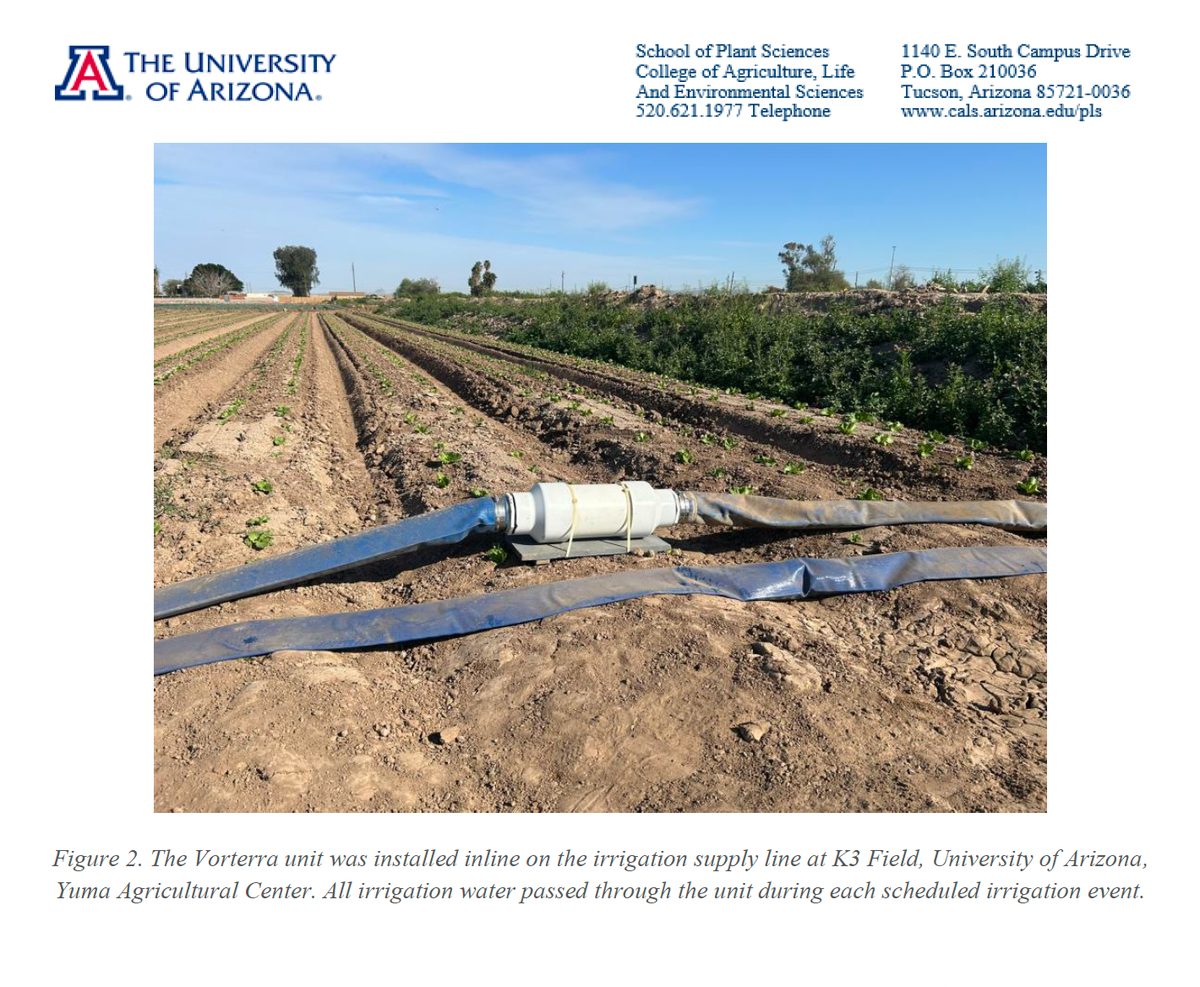
In an independent, landmark field trial at the University of Arizona's Yuma Agricultural Center, Vorterra's inline, chemical-free, electricity-free unit treated every drop of irrigation water on the K3 field — and the results held even with reduced water and nitrogen inputs.
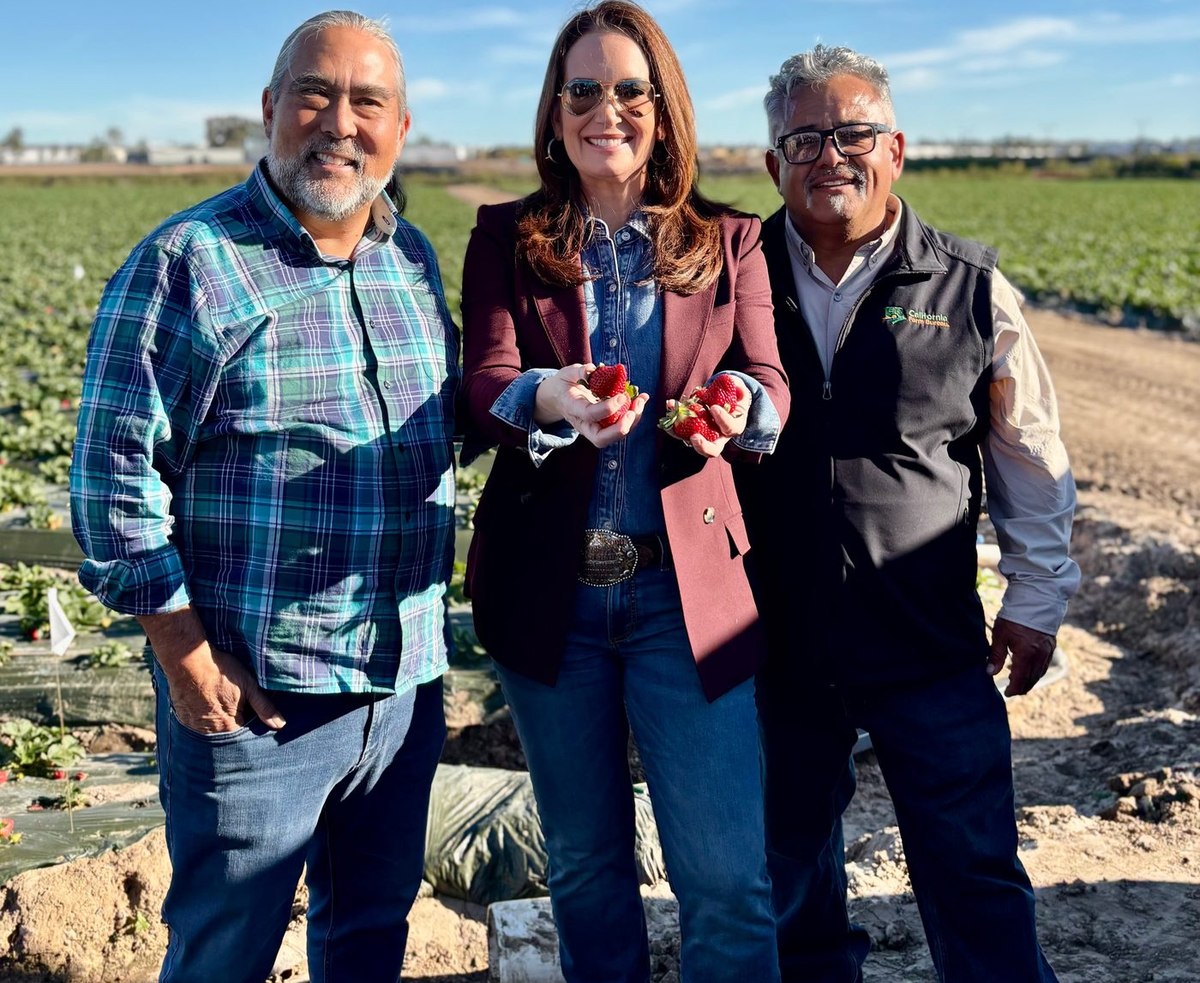
Trials over three years include one of the largest strawberry growers in the country, with a pivot to a water-as-a-service subscription model that lowers the barrier to entry and risk for farmers.


Evaporation does the cooling, and it cannot be reduced — that is the cooling. But 20–40% of a tower's intake water leaves as blowdown, discharged to keep dissolved solids below saturation. What caps cycles of concentration is precipitation chemistry: calcium carbonate, sulfate, silica, biofouling.
So most towers run at three to four cycles — well short of what the equipment could tolerate if the water behaved differently. Vorterra's inline unit alters mineral behaviour with no chemicals, no power, and no change to the tower, and installs on existing pipe in a day.
U.S. Department of Energy, FEMP Cooling Tower Best Management Practice — the effect of raising cycles of concentration from three to six. This is DOE's figure for raising cycles, not a Vorterra result.
There is no cooling-tower data yet. The mechanism is independently measured in agriculture; whether it raises the cycles ceiling in a cooling loop is an open question — and a measurable one. The proposal is a 90-day side-stream coupon test on your own water, treated and untreated side by side, on your instrumentation, reported either way.
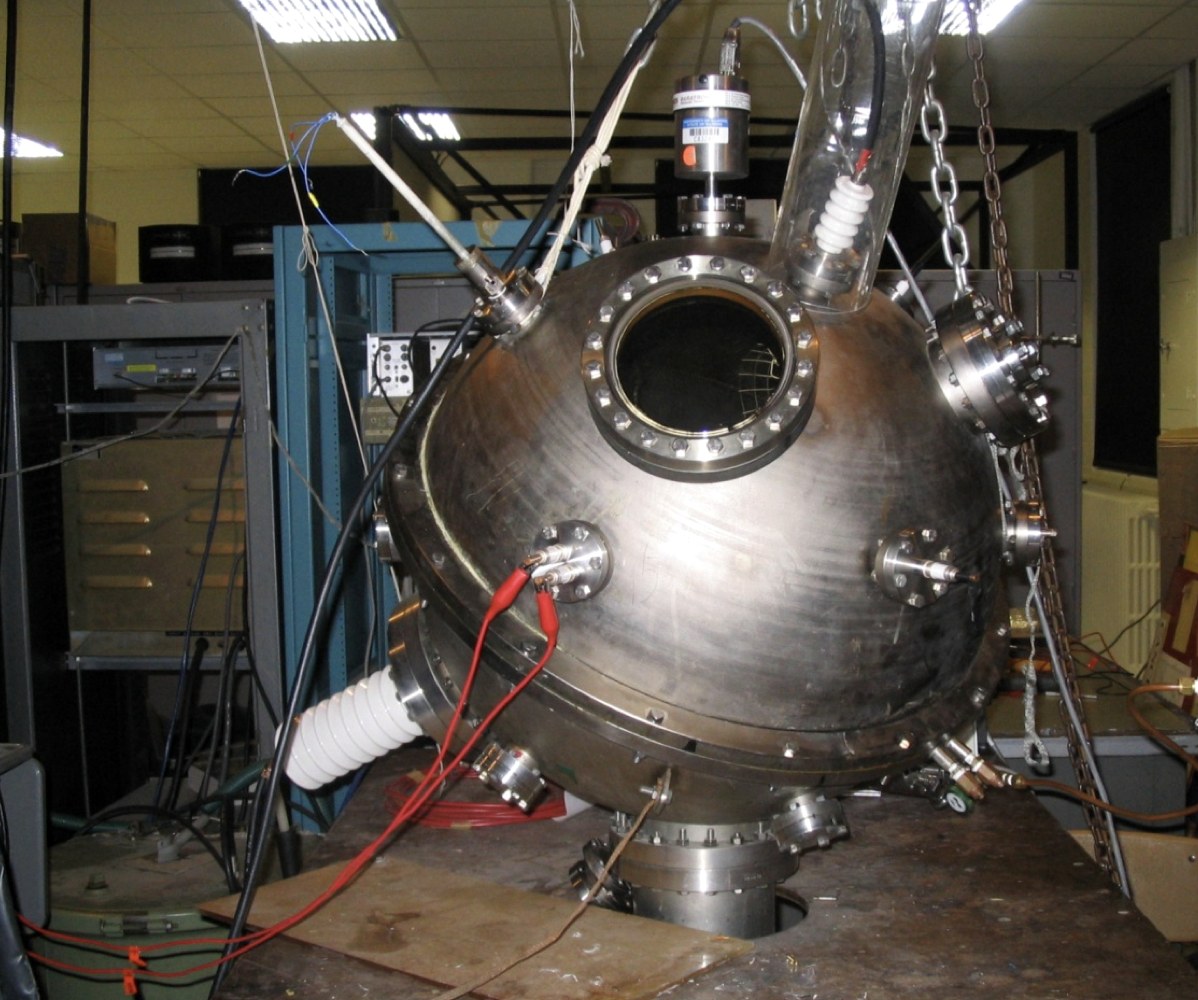
Clean hydrogen at a fraction of the processing cost. This bench demonstration shows a cold fusion plasma system in operation — part of a stealth-mode development program spanning aneutronic fusion with vertically integrated proton-boron-11 (p-¹¹B) fuel sources.
The program's architecture explores compact, high-density power generation for space, defense, and terrestrial applications — led alongside CTO Dr. George Miley of the University of Illinois, a leading expert in fusion and plasma physics.
Where this lands first: data-centre resiliency. AI infrastructure is now constrained less by capital than by power — interconnection queues run for years, and a campus that cannot be energised cannot be built. Compact generation sited behind the meter changes that calculus, and clean hydrogen at a fraction of conventional processing cost moves on-site generation and long-duration backup from aspiration to arithmetic.
PFAS — the "forever chemicals" now measurable in the blood of nearly every person on Earth — persist for one reason: the carbon–fluorine bond is the strongest single bond in organic chemistry. Filtration and activated carbon concentrate PFAS and move it somewhere else. Neither destroys it.
In July 2026, a team at Germany's Helmholtz-Zentrum Dresden-Rossendorf reported that cold atmospheric plasma with gas dispersion almost completely degraded both long- and short-chain PFAS in water — at ambient conditions, with no catalysts and no added chemicals. That is the same class of plasma chemistry this program already runs for clean hydrogen. Water treatment and energy generation converge on one reactor.
Full mineralisation is still the open problem: roughly a third of the fluorine came back as fluoride salts, the remainder stays bound in transformation products that have yet to be characterised, and the process is energy-hungry per unit volume. HZDR's own target — >80% degradation with >50% mineralisation — has not been reached. That gap is precisely where the work is.
Helmholtz-Zentrum Dresden-Rossendorf · CLEWATEC · Scientific Reports & Chemical Engineering Journal Advances, 2026

Co-founder · Content & Creative Strategy. Bryan created the content and creative strategy around the UAP topic with Lt. Ryan Graves — the first active-duty pilot to come forward publicly on UAP — as host.
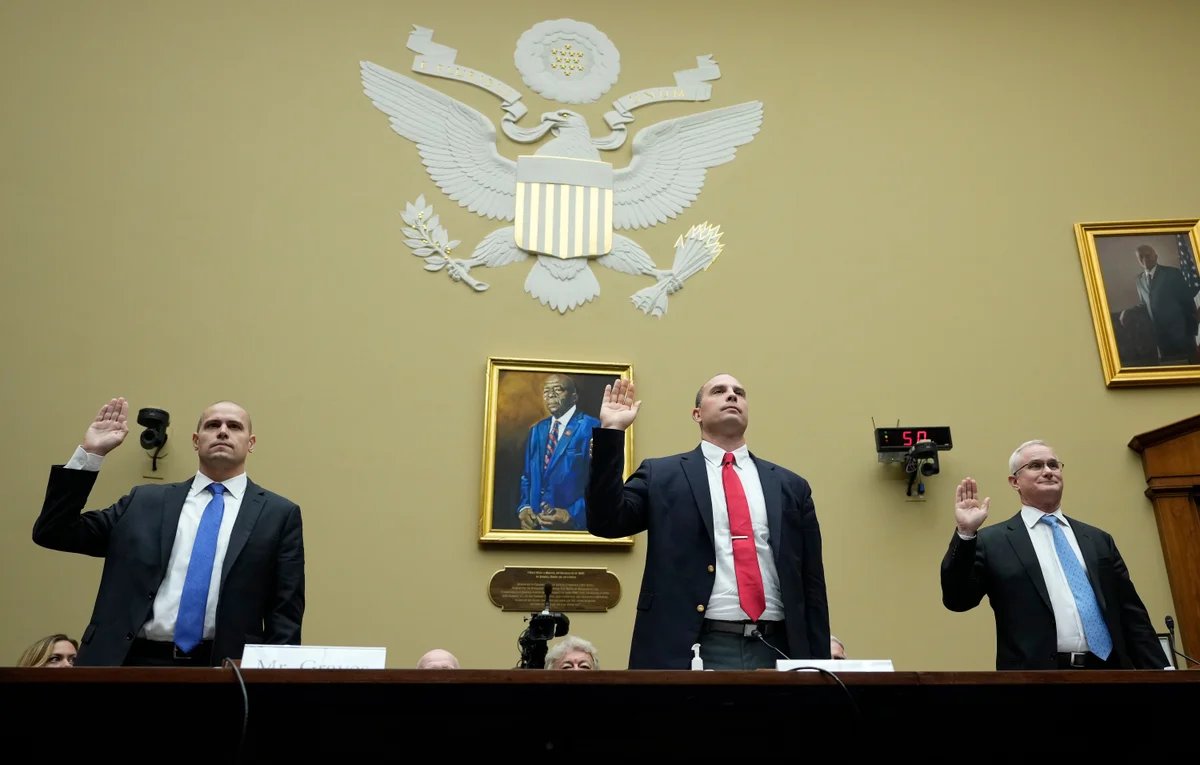
That work helped carry the conversation from the studio to Capitol Hill, culminating in Ryan testifying before Congress at the first congressional hearing on the UAP topic.